Comparative Mythology · Est. on the deep past

Tracing the world's oldest stories to their source.

Crecganford follows folklore, stories of myth, legend, and folktale, back through the evidence — historical linguistics, archaeogenetics, archaeology and the phylogenetics of narrative — to ask how far our stories really reach, and what they remember.

The Pleiades — subject of what may be
humanity's oldest surviving story
Field Notes

Latest research & news

All articles
Watch · YouTube

The small Gods are living in your home!

Archaeology

Rare Kent die stamp may illuminate the making of the Sutton Hoo helmet

A copper-alloy die stamp found by a metal detectorist at Lynsted in Kent has been identified as a rare Anglo-Saxon artefact. Analysis by the British Museum and Kent County Council suggests it was used to make decorative foils for elite helmets and may bear on the origins of the Sutton Hoo helmet.

Read article
Archaeology

Iron Age bones from Scotland were probably worked into tools

A Nature research highlight reports that an individual buried around 2,000 years ago in what is now Scotland probably had her brain removed after death and some of her limb bones shaped into sharp tools.

Read article
Folkloredatabase.com

One archive for the world's narrative inheritance.

The Folklore Database unites the Berezkin Analytical Catalogue, the ATU index, and hundreds of thousands of folktales and primary source religious/mythological texts into a single research instrument. It delivers semantic and geospatial search on narratives, allowing the full database to be searchable by meaning as well as by word, and mapped across the globe.

Open the database
221,607Narratives & texts
3,494Catalogued motifs
1,209Traditions mapped
39,630Classified Mythemes
About

Why “Crecganford”?

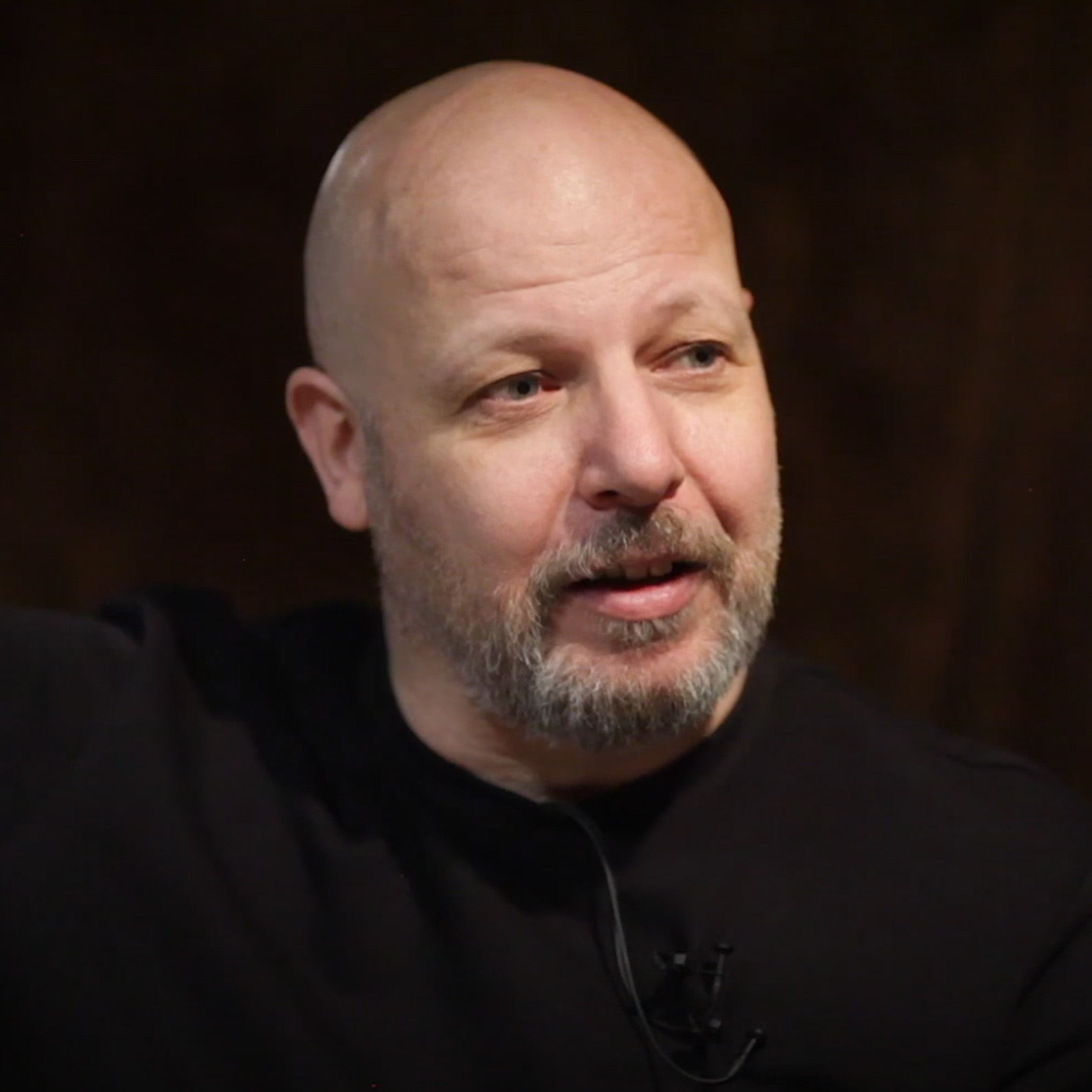
Jon F White, the researcher behind Crecganford and the Folklore Database
Jonathan Fielder-White · Researcher, presenter & author.

Member of The Folklore Society, The American Folklore Society, and the International Society for Ethnology and Folklore.

Crecganford is the name the Anglo-Saxon Chronicle gives to Crayford, where in AD 457 history and legend meet on the banks of the Cray — a fitting name for a project that works exactly at that boundary.

Run by an independent researcher in comparative mythology and folklore, Crecganford brings academic rigour to questions usually left to speculation: where stories come from, how they travel, and how deep in time their roots may run. The work draws on the published literature in folkloristics, historical linguistics, archaeogenetics and archaeology, and is shared through the YouTube channel, this site, and the Folklore Database.

If you value careful, evidenced storytelling about storytelling itself, the best ways to support the project are to subscribe, share, and join the community on Patreon.